
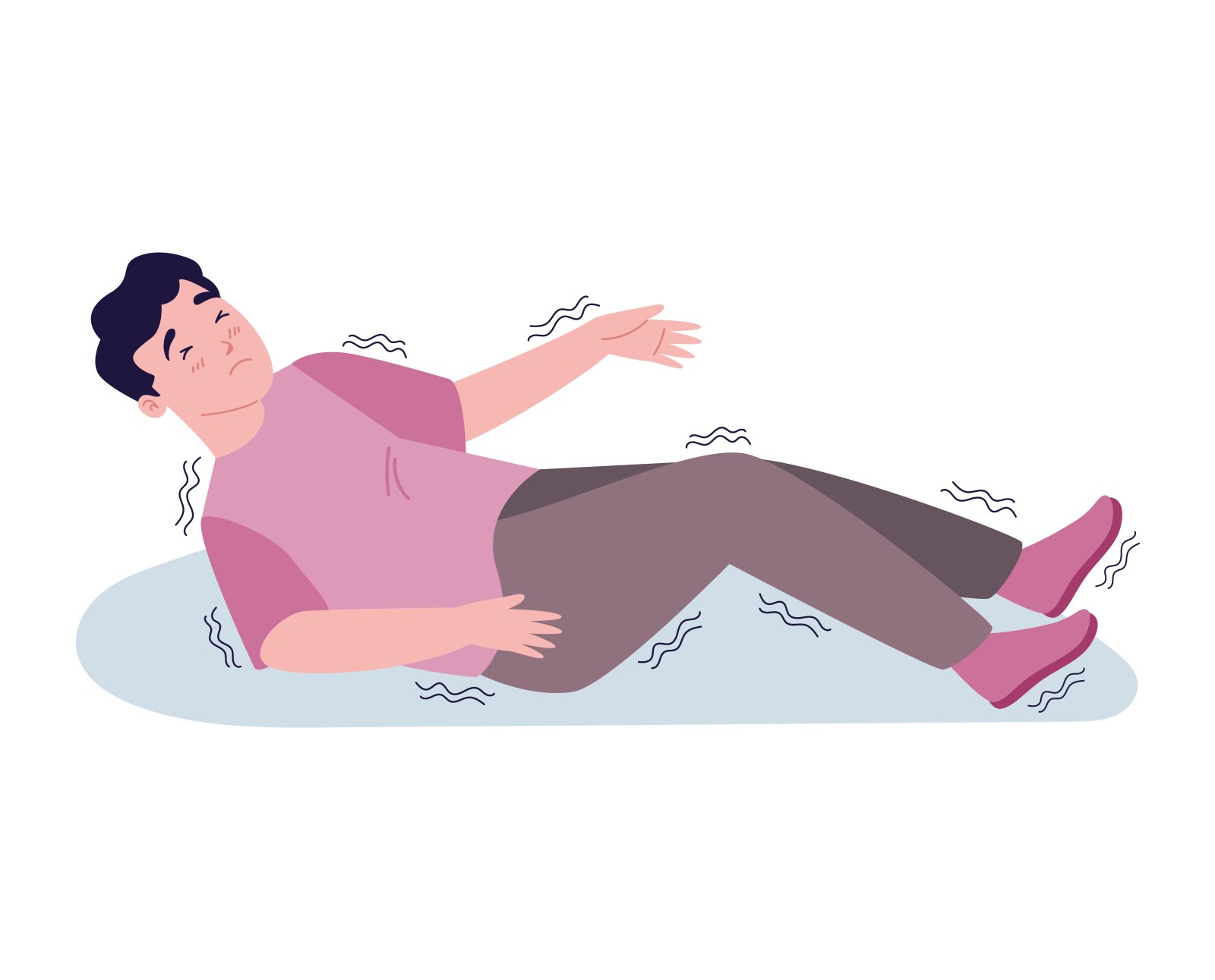
What is Epilepsy?
Epilepsy is a brain condition that causes repeated seizures. Seizures are sudden changes in the brain’s activity. Because these changes can affect how you move, feel, or act, it is important to understand them. Epilepsy: Understanding Seizures & When to Seek Help is key for safety and care. According to the World Health Organization (WHO), epilepsy affects millions worldwide. Anyone can develop epilepsy, but it often starts in childhood or later in life.
Types of Seizures
There are different types of seizures. Each type affects the body in its own way. Knowing the types of seizures helps with early care. Here are the main types:
Common Symptoms of Epilepsy
Epilepsy symptoms can vary. However, some signs are more common. Watch for these symptoms:
Sometimes, people may not remember what happened during a seizure. Because symptoms can be mild or severe, it is important to notice any changes.
Causes and Risk Factors
Epilepsy can have many causes. In some cases, the cause is unknown. However, common causes and risk factors include:
Although anyone can develop epilepsy, some people have a higher risk. For example, children and older adults are more likely to be affected.
How Epilepsy is Diagnosed
Doctors use several steps to diagnose epilepsy. First, they ask about your symptoms and medical history. Next, they may do tests such as:
Because seizures can look like other problems, a careful diagnosis is important. Neurology care for epilepsy often starts with these tests.
Treatment Options for Epilepsy
There are many epilepsy treatment options. The right treatment depends on the type of seizures and your health. Common treatments include:
Because each person is different, doctors create a plan that fits your needs. Regular check-ups help track progress and adjust treatment.
When to Seek Medical Help
Knowing when to seek help for seizures is very important. You should call a doctor or get emergency care if:
Even if seizures seem mild, regular visits to a neurologist are important. Early care can prevent problems and improve quality of life.
Lifestyle Tips and Prevention
Although not all seizures can be prevented, healthy habits can help. Here are some tips:
Because lifestyle changes can make a big difference, talk to your doctor about what works best for you.
If you or someone you know experiences seizures, consult a neurologist at Premier Gastroenterology Institute for personalized guidance.