
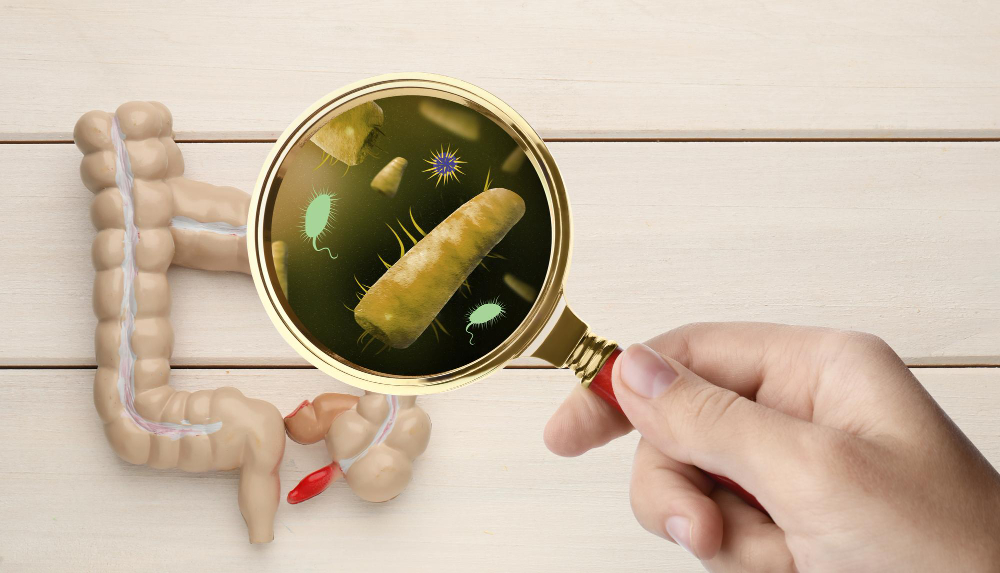
Introduction to Crohn’s Disease
Crohn’s Disease is a type of inflammatory bowel disease. It affects the digestive tract and can cause long-term problems. Many people confuse Crohn’s Disease with Ulcerative Colitis. However, these are two different conditions. Both cause inflammation, but they affect the gut in different ways. Understanding Crohn’s Disease is important for better digestive health. Early diagnosis and proper management can help control symptoms and improve quality of life.
Key Differences Between Crohn’s Disease and Ulcerative Colitis
Although Crohn’s Disease and Ulcerative Colitis are both inflammatory bowel diseases, they are not the same. Knowing the differences can help you understand your condition better.
Because of these differences, Crohn’s vs Ulcerative Colitis treatment plans may vary.
Symptoms of Crohn’s Disease
Symptoms can be mild or severe. They may come and go. Sometimes, symptoms get worse during flare-ups. Common signs include:
For some people, joint pain, skin problems, or eye inflammation may also occur.
Causes and Risk Factors
Doctors do not know the exact cause of Crohn’s Disease. However, several factors may increase your risk. For example, genetics play a role. If a family member has Crohn’s Disease, your risk is higher. In addition, the immune system may react to normal bacteria in the gut, causing inflammation. Environmental factors, such as smoking, can also raise your risk. Although anyone can get Crohn’s Disease, it often starts in young adults.
Diagnosis
Diagnosing Crohn’s Disease can take time. Doctors use several tests to rule out other problems. Common steps include:
Early diagnosis helps with better Crohn’s Disease management.
Management and Treatment Options
There is no cure for Crohn’s Disease, but treatment can control symptoms. Doctors aim to reduce inflammation and prevent flare-ups. Treatment options include:
Because every person is different, your doctor will create a plan that fits your needs. Regular check-ups are important for ongoing Crohn’s Disease management.
Lifestyle Tips for Living with Crohn’s Disease
Managing Crohn’s Disease is not just about medicine. Simple lifestyle changes can make a big difference. For example, you can:
With these tips, you can support your digestive health and feel better each day.
Prevention and When to See a Doctor
Currently, there is no sure way to prevent Crohn’s Disease. However, healthy habits may lower your risk of flare-ups. For instance, avoid smoking and eat a balanced diet. If you notice symptoms like ongoing stomach pain, blood in your stool, or weight loss, see a doctor soon. Early treatment can prevent complications. In addition, regular follow-ups help keep your condition under control.
For personalized advice on Crohn’s Disease management, consult a gastroenterologist Dr.Pulkit Sondhi .