
Introduction
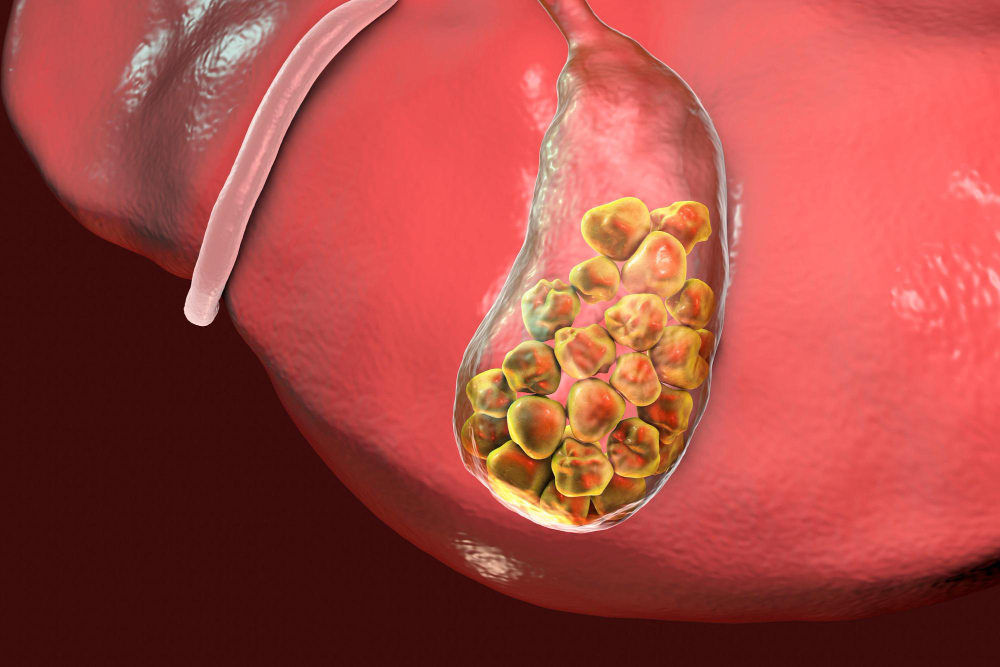
Gallstones are small, hard deposits that form inside the gallbladder. The gallbladder is a small organ under your liver. It stores bile, which helps digest fat. Gallstones can cause pain and other problems. Sometimes, people call them gallbladder stones. If you have gallstone symptoms, you may need treatment. In some cases, gallstone surgery is needed. Understanding the causes, symptoms, and treatment options can help you stay healthy.
What Are Gallstones?
Gallstones are solid pieces that form in the gallbladder. They can be as small as a grain of sand or as large as a golf ball. Some people have one gallstone, while others may have many. Most gallstones are made of cholesterol, but some are made of a substance called bilirubin. Not everyone with gallstones has symptoms. However, when they block the flow of bile, problems can start.
Causes of Gallstones
Several factors can lead to gallstones. For example, your body may make too much cholesterol. Or, your gallbladder may not empty as it should. Here are some common causes:
In addition, certain health conditions, like diabetes, can increase your risk. According to the CDC, gallstones are more common in women and older adults.
Common Symptoms of Gallstones
Many people with gallstones do not have symptoms. However, when a gallstone blocks a duct, you may notice signs. For instance, you might feel sudden pain in the upper right side of your belly. Other symptoms include:
If you have severe pain, fever, or yellow skin, seek medical help right away. These can be signs of a serious problem.
When Is Surgery Needed for Gallstones?
Not all gallstones need surgery. In fact, many people never have symptoms. However, surgery may be needed if:
Usually, doctors remove the gallbladder through a simple operation called laparoscopic cholecystectomy. This surgery is safe and common. Most people recover quickly and can live well without a gallbladder.
Diagnosis and Treatment Options
Doctors use several tests to find gallstones. For example, they may use an ultrasound, which is painless and quick. Blood tests can check for infection or other problems. Sometimes, other scans like CT or MRI are needed.
Treatment depends on your symptoms. If you have no pain, you may not need treatment. But if you have symptoms, options include:
Doctors will help you choose the best treatment for your situation. According to the National Institutes of Health, surgery is the most effective way to prevent future problems.
Prevention and Lifestyle Tips
While you cannot prevent all gallstones, some steps can lower your risk. For instance, you can:
Moreover, avoiding crash diets or skipping meals can help keep your gallbladder healthy. Talk to your doctor before making big changes to your diet or lifestyle.
Conclusion
Gallstones are common and may cause symptoms like abdominal pain, nausea, or digestive discomfort, while some people may have them without any symptoms. Recognizing warning signs early can help prevent complications. At Premier Gastroenterology Institute, our gastroenterology specialists provide expert evaluation and personalized care for gallstone-related concerns. Consult us for the right treatment approach.